
Is Your Phone a Scammer's Best Friend? How to Keep Your Phone Secure.
They're not just sending poorly-spelled emails from Nigerian princes anymore.
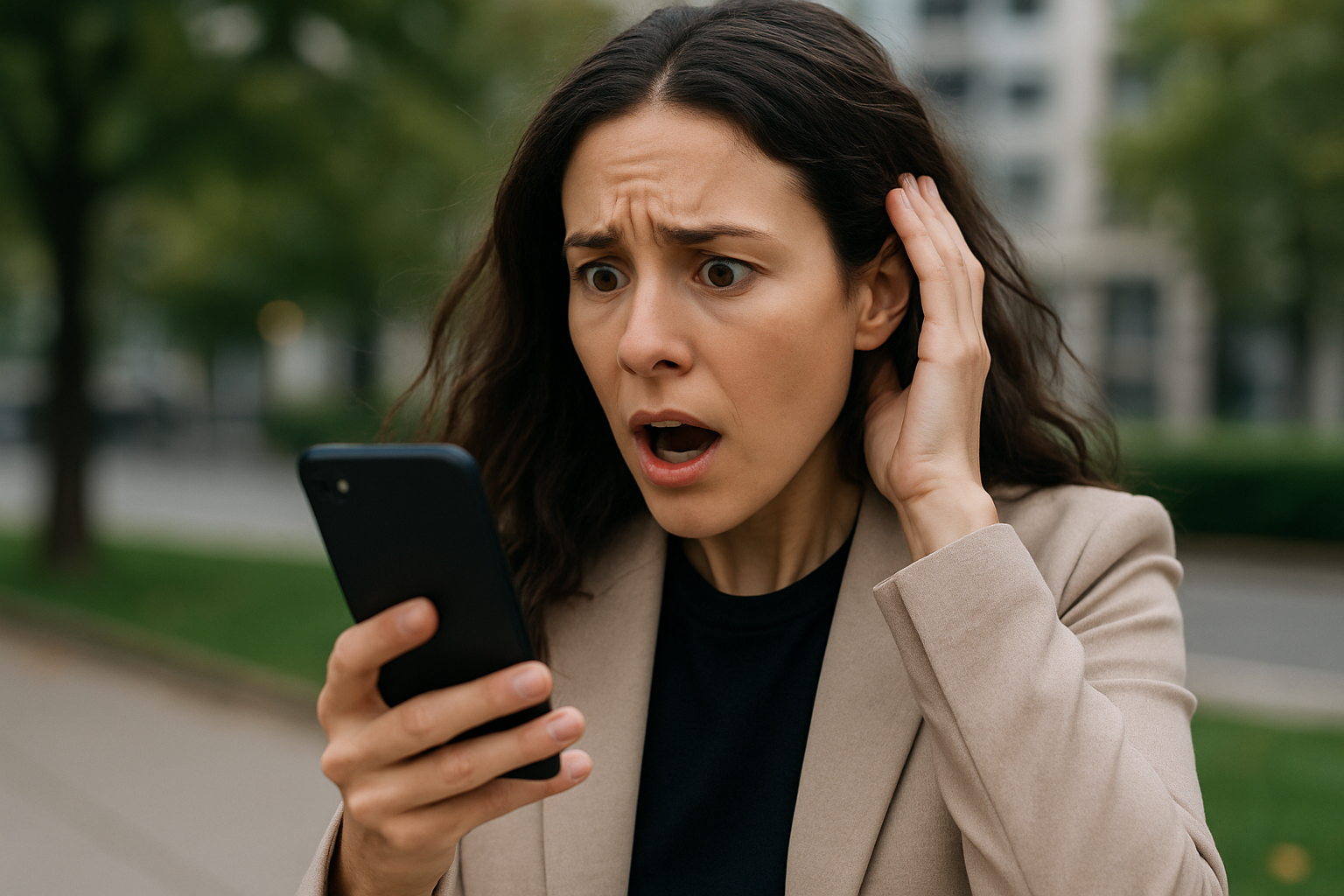
You're rushing between meetings when your phone buzzes. "URGENT: Your Amazon package is delayed due to payment issues. Click here to resolve it immediately." The message looks legitimate, the timing feels right, and with a quick tap, you've just handed cybercriminals the keys to your digital life.
Welcome to the new age of phishing, where scammers have traded obvious spam tactics for AI-powered deception that's fooling even tech-savvy individuals.
The Staggering Reality
Text message scams alone cost Americans $470 million in 2024. Email remains the top weapon in scammers' arsenals, but it's the 98% open rate on text messages that has cybercriminals excited. While you might ignore suspicious emails, you almost certainly read every text. What makes today's attacks so dangerous isn't just their frequency—it's their sophistication. Modern phishing campaigns feature AI-generated content that rivals professional marketing copy, complete with perfect grammar and compelling storytelling, making obvious typos no longer your best defense. They employ laser-targeted personalization using your real name, job title, recent purchases, and family details mined from social media and data breaches to craft messages that feel genuinely personal. These aren't random attacks but calculated psychological warfare disguised as customer service, designed to trigger your deepest fears and most urgent needs. The timing is perfect too, coinciding with tax season, holiday shopping, or major news events when you're most likely to expect legitimate communications.
The Master Class in Manipulation
Today's phishing messages tell compelling stories. You might receive a message from your "bank" with official logos claiming suspicious account activity. The psychological hooks are sophisticated, employing urgency traps that create artificial deadlines to bypass rational thinking—"Your account will be closed in 24 hours unless you verify immediately!" Scammers impersonate trusted institutions like banks, government agencies, and tech companies, knowing you're conditioned to respond to official requests. They exploit anxiety about security breaches, unpaid bills, or legal troubles to make you act before you think, while simultaneously dangling reward lures like fake refunds, surprise prizes, and exclusive offers that seem too good to pass up.
Red Flags That Still Matter
Despite their sophistication, modern phishing attempts still leave clues. Generic greetings remain a telltale sign—your real bank knows your name and uses it consistently. Domain mismatches are dead giveaways; that "Apple" email coming from applesupport-security.ru is definitely not legitimate. Suspicious requests for information that companies already have also reveal scams—your bank doesn't need you to confirm your Social Security number via email.
The Mobile Context
SMS phishing—"smishing"—has become the scammer's favorite tool because it bypasses traditional email security measures and lands directly in your pocket with an urgent buzz. What makes smishing particularly dangerous is that you're often distracted, moving quickly, and more likely to tap first and think later.
Understanding this landscape isn't about fear—it's about empowerment. When you know how sophisticated these attacks have become, you can appreciate why even smart people fall for them and better protect yourself against increasingly convincing digital deception.